



Trauma and PTSD Therapy in Issaquah and Sammamish: Care Built Around You
Something happened. Maybe a long time ago, maybe recently. Maybe you have never said it out loud to anyone. You find yourself bracing for things that other people do not seem to notice. Sleep is hard. Certain places, sounds, or moments take you somewhere you do not want to go. If you are looking for trauma therapy in Issaquah, Sammamish, or anywhere in Washington State through telehealth, you are in the right place.
You do not have to keep carrying this alone.
If you already know you want to talk to someone, reach out to our team or call (425) 269-3277 whenever you are ready.
Trauma Does Not Always Look the Way You Think It Does
When most people hear the word trauma, they picture something dramatic and unmistakable. A car accident. Combat. A violent crime. And those experiences are absolutely traumatic. But they are only one face of it.
Trauma looks like the child who has become clingy or started having nightmares after something happened that adults said was “no big deal.” It looks like the teenager who used to be outgoing and now avoids places that remind them of that day. It looks like the adult who has organized their entire life around not feeling that vulnerable again. It looks like the parent who survived something years ago and is only now realizing how it has affected the way they move through the world. The way they love. The way they trust.
It can be a childhood spent walking on eggshells around a parent’s mood. A relationship where you slowly lost yourself. A medical experience that left you feeling helpless. The accumulation of years of being dismissed, overlooked, or told your pain was not real. It can be one moment that changed everything, or it can be something that built up so gradually you did not even realize it was happening.
Maybe you are the person reading this right now, wondering if what happened to you “counts” or if you are just being too sensitive.
Trauma is not just what happened to you. It is how your mind and body adapted to survive it. That adaptation served you then, but it might be getting in your way now. If any of this sounds familiar, for you or someone you love, you are not broken. Your nervous system is doing exactly what it was designed to do. The problem is that it might still be protecting you from something that is no longer happening.
How We Approach Trauma and PTSD Treatment at Centered Mind Counseling Services
We do not treat trauma. We treat the person who has lived through it. Healing from trauma is not about forgetting what happened or pretending it did not matter. It is about no longer having to organize your entire life around it. That is why we start by getting to know you as a whole person, not just the thing that happened.
Our trauma therapists use specialized, trauma-focused approaches that are designed to help your nervous system feel safe while you process what you have been through. Our team includes certified EMDR therapists who have completed extensive training and specialized consultation in EMDR therapy, along with therapists trained in Cognitive Processing Therapy (CPT), Prolonged Exposure therapy, Internal Family Systems (IFS), attachment-based therapy, and other trauma-focused methods. Your therapist will work with you to find the approach that fits, and the pace will always be yours.
For some people, therapy alone is exactly what is needed. For others, trauma has created symptoms that medication can help stabilize, things like sleep disruption, panic attacks, intrusive thoughts, or depression that makes it hard to engage in the healing process. At Centered Mind Counseling Services, our prescribers and therapists are part of the same team. If medication might support your recovery, your therapist can connect directly with one of our psychiatric providers without you having to start over somewhere new.
That coordination is not something you have to manage yourself. It is simply how we work. Learn more about our integrated care model and why it matters for trauma recovery.
You can also learn more about PTSD and its treatment through the National Institute of Mental Health.
You do not have to be ready to tell your whole story. You just have to be ready to start.
Trauma Affects Every Age — And So Does Healing
Children
Children process trauma differently than adults. They often do not have the words to tell you what happened or how it is affecting them. Instead, they show you. A child who was potty trained might start having accidents. A happy, outgoing kid might become withdrawn or clingy. Sleep might become difficult. They might act out things that happened to them or that they witnessed. As a parent, you can feel that something shifted, even when you cannot name it.
Early support matters. Not because something is wrong with your child, but because children are still building their understanding of the world. When trauma is part of that foundation, it shapes how they see themselves, how safe they feel, and how they connect with others. With the right support, children can process what happened in ways that are safe, age-appropriate, and deeply healing.
Our trauma therapists who work with children use play therapy, art therapy, and other approaches designed to meet your child exactly where they are. Our team also includes a child and adolescent psychiatrist who understands how trauma affects developing minds. And your therapist will help you understand what your child needs from you, too, because your relationship with your child is one of the most powerful tools in their healing.
Teens
Adolescence is already a time of enormous emotional intensity. When trauma is part of the picture, everything gets harder. The teen who withdraws from friends and family. The one whose grades dropped suddenly and nobody can explain why. The one who started acting out, or who turned all that pain inward. The one who seems fine on the surface but is carrying something heavy underneath.
Teens often resist help, not because they do not need it, but because trust has been broken. They need a therapist who understands that, who will not push too fast, and who can meet them on their terms. Our therapists who work with adolescents understand this. They create a space where teens can be honest without judgment, and where the pace of healing belongs to the teen.
For parents, watching your teenager struggle with something you cannot fix is one of the hardest things there is. We want you to know that getting them connected with the right therapist can interrupt a trajectory. It can change the story they carry into adulthood.
Adults
Many adults come to us having spent years, sometimes decades, managing the aftermath of trauma on their own. They have built careers, raised families, and held it together. From the outside, their lives might even look fine. But underneath there is a constant hum of hypervigilance, avoidance, emotional numbness, or relationships that feel impossible to sustain.
Some adults know exactly what happened. Others are only now beginning to connect the dots between something in their past and the way they feel today. Some have been misdiagnosed with anxiety, depression, or ADHD for years before anyone considered that trauma was at the root.
It is never too late. Whether you are 25 or 65, whether the trauma happened last year or forty years ago, your brain and your body are capable of healing. You deserve to take up space in your own life instead of living on the edges of it. Our team includes therapists who specialize in adult trauma recovery and who understand that healing at this stage of life is not just about processing the past. It is about reclaiming your present. Trauma therapy for adults is available in Issaquah and Sammamish, and through secure telehealth across Washington State.
Complex Trauma and Childhood Adversity
Not all trauma comes from a single event. For many people, trauma was the environment they grew up in. A home that was unpredictable. A caregiver who was emotionally unavailable, controlling, or harmful. Neglect that taught you your needs did not matter. Years of being the person who held everyone else together while no one held you.
This kind of ongoing, relational trauma, sometimes called complex trauma or developmental trauma, shapes the way a person sees themselves and the world at a fundamental level. It often shows up as difficulty trusting others, chronic shame, emotional regulation challenges, and a deep sense that something is wrong with you that you cannot quite name.
We see this. We understand it. And we have therapists on our team who specialize in exactly this kind of work, using approaches like Internal Family Systems (IFS), EMDR, attachment-based therapy, and other methods designed for relational and complex trauma. You are not too much. You are not too broken. You are someone who adapted to survive, and now you deserve support in learning to live differently.
You belong here.
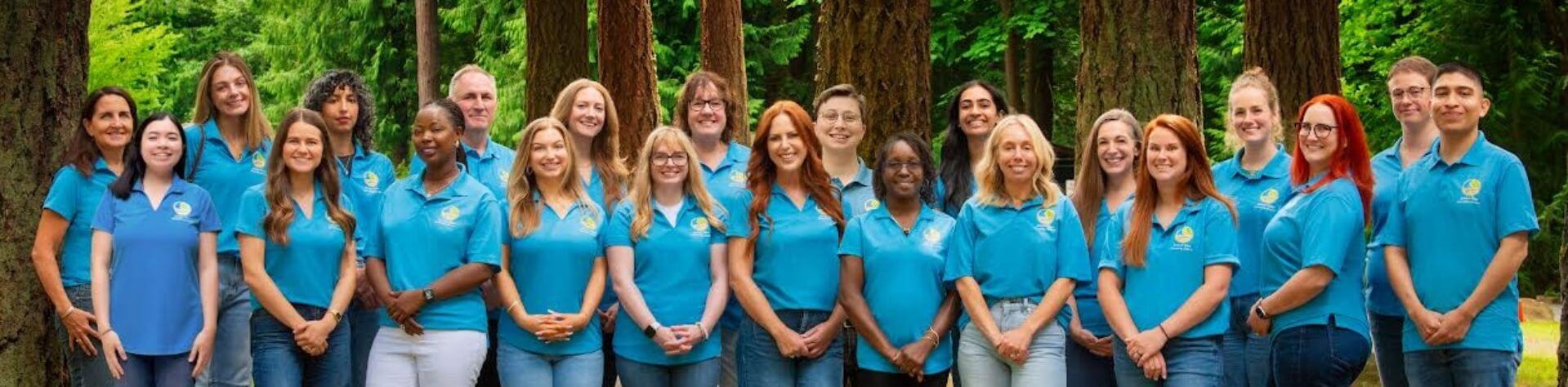
Our Trauma and PTSD Therapy Team in Issaquah and Sammamish
At Centered Mind Counseling Services, we have multiple therapists who specialize in trauma therapy in Issaquah, Sammamish, and through telehealth across Washington State, working with children as young as six through older adults. Some focus on childhood and adolescent trauma. Some specialize in adult trauma recovery, complex PTSD, and relational trauma. Some bring specific training in EMDR, Cognitive Processing Therapy, Prolonged Exposure, Internal Family Systems, or attachment-based approaches.
What they all share is a deep respect for the courage it takes to walk through this door, and a commitment to meeting you wherever you are in this process.
Because we offer both therapy and psychiatric medication management under one roof, we can coordinate your care if symptoms like insomnia, panic, intrusive thoughts, or depression are part of your experience. Many people with trauma also struggle with anxiety, depression, or ADHD, and our integrated approach means we can address all of it together. Your therapist and your prescriber will work together so you never have to be the go-between for your own care.
Our team also provides affirming, respectful care for clients of all backgrounds, identities, and life experiences, including LGBTQIA+ individuals, veterans, first responders, and survivors of domestic violence and sexual abuse.
We accept most major insurance plans including Premera, Regence, BCBS, Aetna, Kaiser HMO, Kaiser PPO, Cigna, First Choice Health Network, Meritain, Health Management Administrators (HMA), Regence Group Administrators (RGA), and LifeWise. We also work with clients on an out of network basis. Our care coordinators can let you know whether we are in network with your plan, and our billing team will verify your specific benefits before your first appointment.
When you reach out, our care coordinators will take the time to understand what you are looking for and help connect you with the right therapist. You do not have to know exactly what you need. That is what we are here for. Meet our full team to learn more about every provider.
Frequently Asked Questions About Trauma Therapy
How do I know if what I experienced counts as trauma?
If something happened that changed the way you feel about yourself, the world, or your sense of safety, and it is still affecting you, that matters. Trauma is not defined by how bad it looks from the outside. It is defined by how it lives inside you. You do not need a diagnosis to reach out. If you are wondering whether what you went through was “bad enough,” that question itself is often a sign that something deserves attention.
What is EMDR and how does it work?
EMDR (Eye Movement Desensitization and Reprocessing) helps your brain process difficult memories so they no longer feel like they are happening right now. It works by engaging your nervous system in a way that allows you to revisit what happened without being overwhelmed by it. You do not have to retell your story in detail for EMDR to work. Our team includes certified EMDR therapists who have completed extensive training and specialized consultation in this approach.
What is the difference between trauma therapy and regular therapy?
Trauma therapy uses specialized approaches designed to help your nervous system feel safe while processing difficult experiences. Our trauma therapists understand how trauma affects both the mind and body, and use methods like EMDR, Cognitive Processing Therapy (CPT), Internal Family Systems (IFS), and other trauma-focused techniques that are specifically designed for trauma recovery. These approaches address the mind-body connection in ways that general talk therapy was not built to do, which is why they can reach things that other forms of support have not.
Will I have to talk about what happened in detail?
Not necessarily, and certainly not before you are ready. Some trauma therapy approaches involve processing specific memories, while others focus more on how trauma shows up in your body, your relationships, and your daily life. Your therapist will talk with you about what the process looks like and what to expect, and the pace will always be yours. You will never be forced to go somewhere you are not ready to go.
Can medication help with PTSD or trauma symptoms?
For many people, yes. Medication can help manage symptoms like insomnia, panic attacks, intrusive thoughts, and depression, which can make it easier to engage in the therapy process. At CMCS, our psychiatric providers and therapists are part of the same team, so medication management and therapy work together seamlessly. Medication is not always necessary, but when it helps, it can make a meaningful difference in the healing process.
Do you work with children and teens who have experienced trauma?
Yes. We have therapists who specialize in working with children as young as six and teens through age 17, using age-appropriate, trauma-informed approaches including play therapy, art therapy, and family-centered care. We encourage family involvement as an important part of treatment for young people. If your child or teen has experienced something difficult and you are seeing changes in their behavior, sleep, mood, or relationships, we encourage you to reach out.
What if I am not sure whether therapy is the right step?
That is a perfectly normal place to be. We offer a free 10-minute consultation so you can ask questions, share a little about what you are going through, and get a sense of whether this feels right. No pressure, no commitment, just a conversation.
A note about level of care: CMCS is an outpatient practice. We are committed to connecting clients with the right level of support for their needs. If a higher level of care is clinically appropriate, such as intensive outpatient, residential, or inpatient services, we will work with you to identify the right resources and provide a thoughtful transition.
You deserve to feel safe in your own life. Whether it happened recently or decades ago, whether you are looking for help for you or for someone you love, healing is possible. We have seen it happen. Our trauma therapy team in Issaquah, Sammamish, and through telehealth across Washington State is here for you.